Vehicle Rodent Protection

Every fall, mice move into parked cars for warmth and shelter, then nest and chew through wiring. Wrap what they chew, shock them off at the way in, and we'll install it at our Markham shop for a price you see before you book. Free shipping in Canada on orders over $200.

The lineup

Start with tape. Add a plate unit if they keep coming back, and a battery unit for vehicles in storage.

Start here

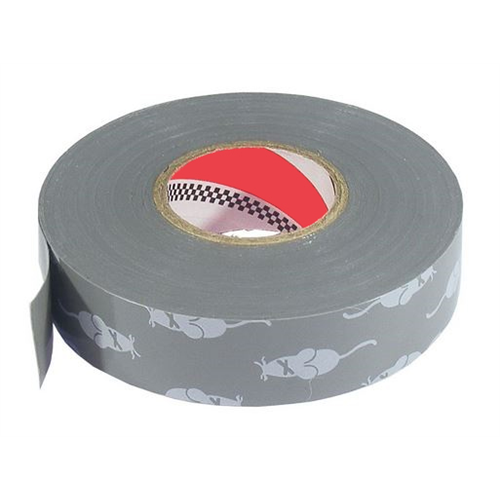
Capsaicin rodent tape

Wrap what they chew: harnesses, hoses and fuel lines. The same Japanese-made tape Honda sells as part 4019-2317.

Works on
Any vehicle
Roll
19 mm x 20 m
Best for
Wiring they've found

Tape only $62.99

We wrap it (30 min) $137.99

Tape $62.99 + installation $75
No wiring

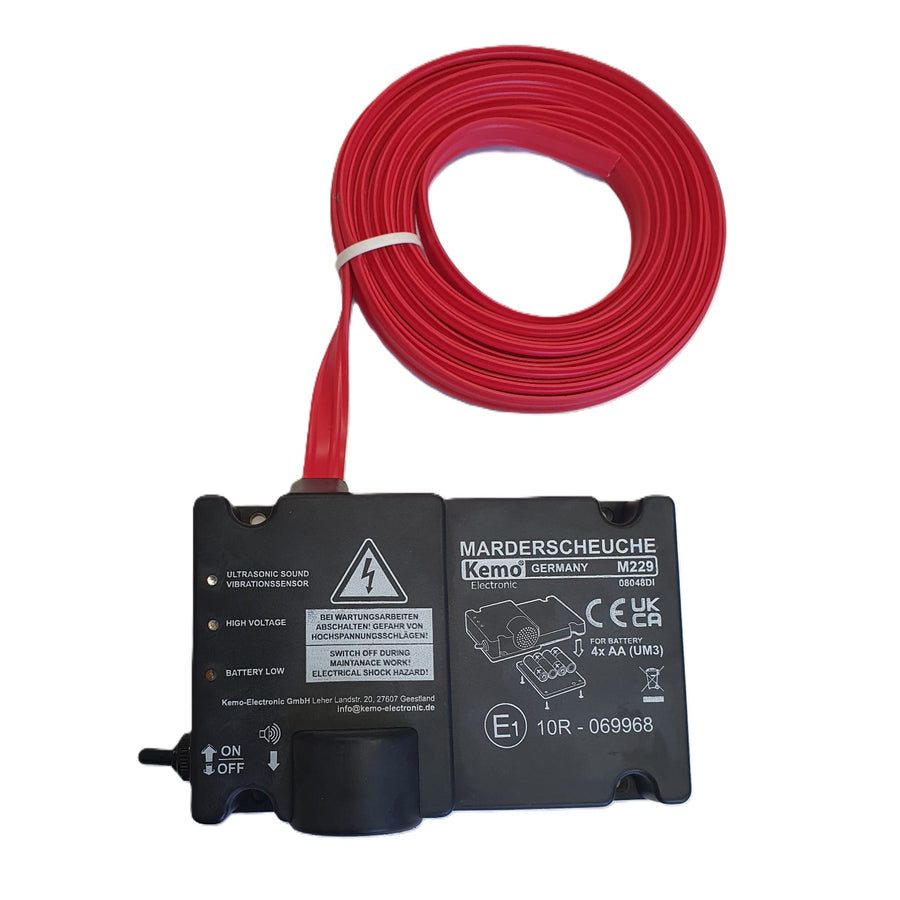
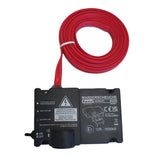
LDS M229 battery deterrent

Six dual-pole shock plates, random ultrasound and lights, on four AA batteries that last about a year. Nothing wires into your vehicle.

Power
4 x AA, about a year
Plates
6, dual-pole
Best for
Stored vehicles, leases

Unit only $329.99

Installed, Level 1 $479.99

Unit $329.99 + installation $150

Extra layer

LDS M640 battery repeller

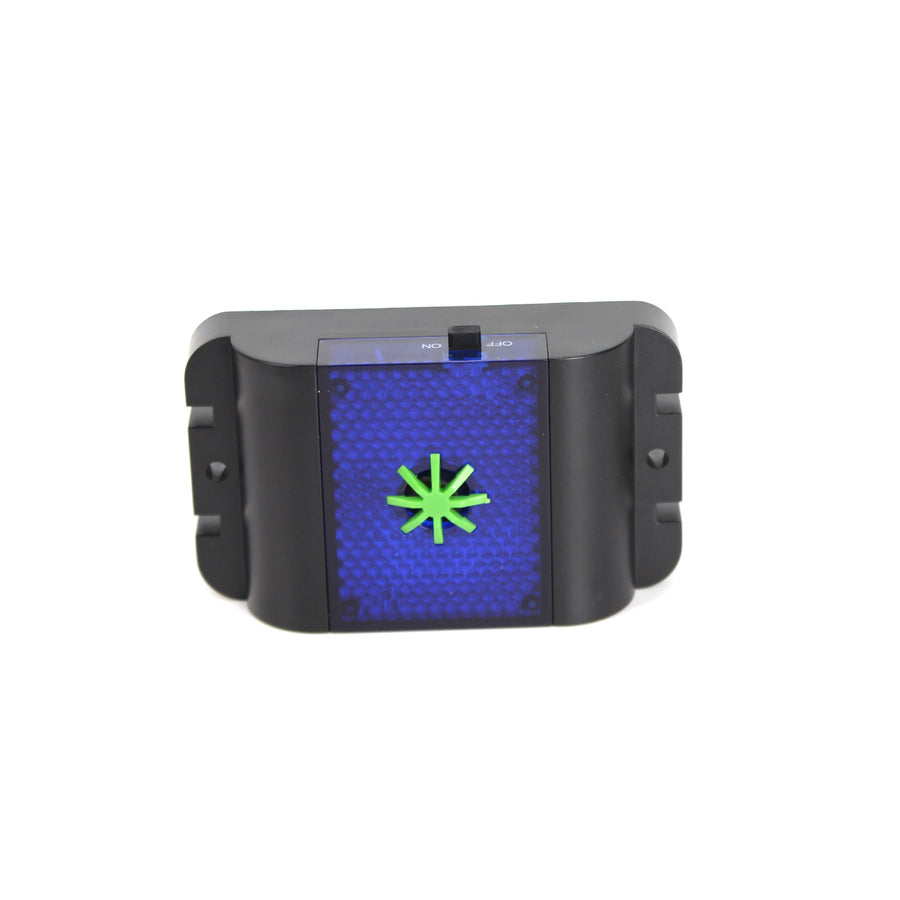
Variable ultrasound and a night light for stored vehicles, garages and cottages. Sound only, so pair it with tape or plates.

Power
6 x AAA, included
Deterrent
Sound and light
Best for
Storage, garages

Price $59.99

Which one do I need?

Pick the one that sounds like you.

Wrap it, then wire in an M186

Capsaicin tape on the harnesses they've already found, and an M186 at the way in. It runs off your battery while you're parked and switches off when you drive.

Installed: Level 1 from above, or Level 2 at our shop if your vehicle's entry points are underneath.

How each one works

The same answers as our support pages, so you know exactly what you're buying before it arrives.

Start here

Anti-Rodent Capsaicin Tape

Best for wiring they've already found

$62.99 CAD

  • Same tape as Honda 4019-2317
  • Works on any vehicle
  • Wraps like electrical tape
See it

How the tape works

It's electrical tape with capsaicin, the compound that makes chilli peppers hot, built into the backing. A rodent that bites a wrapped harness gets a mouthful of heat instead of a meal, so it lets go. Unlike sprays, it doesn't wash off or need reapplying every few months.

  • Where it goes: wiring harnesses, EVAP hoses, fuel lines and any exposed cable run, starting with anything already chewed.
  • How to apply: clean the surface, wrap with a 50% overlap while stretching it slightly, then finish with a secure tail.
  • What it won't do: it protects what it covers and nothing else, and it won't stop mice nesting in the air filter box or cabin air intake.

Wear gloves, keep it away from direct exhaust heat, and wash your hands afterwards. Rather we did it? We wrap it by time, highest-risk runs first.

Daily drivers

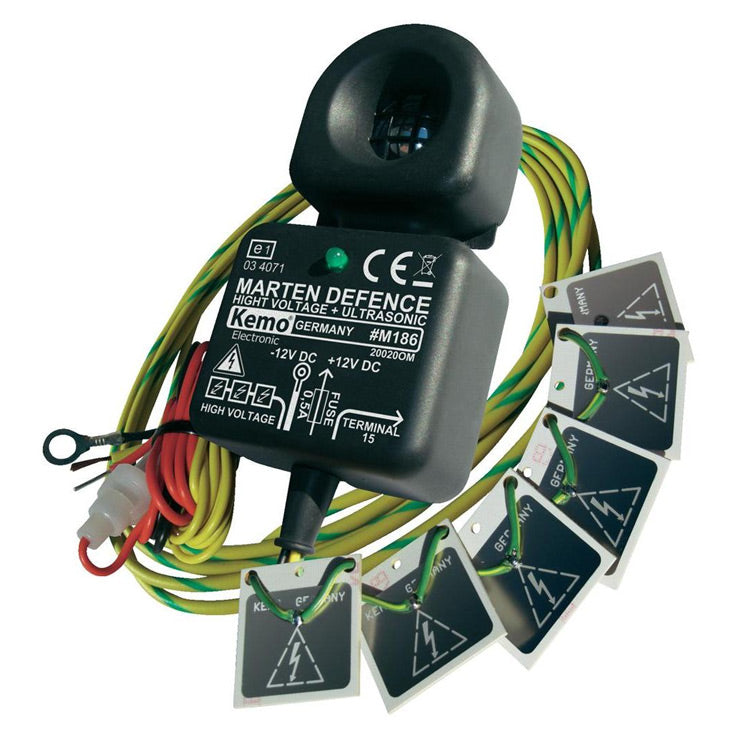
LDS M186 Wired Rodent Deterrent

Best for cars you drive

$159.99 CAD

  • Off while you drive
  • Can't flatten your battery
  • CAN-bus compatible
See it

How the M186 works

The M186 wires into your vehicle's 12 V system and protects the engine bay two ways. Six contact plates charged to about 200 to 300 volts give a chewing animal a mild shock that scares it off without harming it, and a pulsing ultrasonic tone (about 22 kHz) makes the engine bay an unpleasant place to stay.

  • Runs only when parked: connect its ignition wire (terminal 15) and the M186 switches off while you drive and on when you park. Leave that wire unconnected and it runs all the time.
  • Protects your battery: it draws under 5 mA and shuts itself off if the battery drops below 11.5 V.
  • Vehicle compatibility: works with CAN-bus vehicles. On 24 V trucks it needs a 24 V to 12 V converter (about 1 A) installed ahead of it.

No deterrent is guaranteed to stop every animal every time. If you'd rather not wire it yourself, we install it at our Markham shop.

Installing the M186
  1. Before you start: take the fuse out of the fuse holder. Clean the engine bay and the spot where you usually park. Animals mark territory by scent, and another animal's scent can make them more destructive.
  2. Mount the unit: in a dry spot away from the exhaust manifold and other hot parts, with the speaker aimed at the areas you want to protect. Ultrasound travels like light, so anything in its path blocks it.
  3. Route the high-voltage cable: to the spots most at risk of chewing, keeping it away from very hot engine parts.
  4. Fit the plates: with a screw or cable ties. Keep each bare plate at least 10 mm from any other live contact and clear of other parts. Some hoses are made of conductive plastic and will short the plates. If you use a metal screw, its head must not touch the plate's metal surface. Keep the plates dry.
  5. Wire it: the fused wire to +12 V, the ground wire with the ring terminal to the chassis, and the ignition wire to a terminal 15 (ignition-switched) circuit, usually found at the ignition switch or the radio harness.
  6. Finish: stick the yellow high-voltage warning label somewhere visible near the plates, such as the air filter box, then put the fuse back in.
Checking the M186 works

With the vehicle parked and powered, the LED on the unit flashes about every 5 to 12 seconds. The first time, it can take up to 5 minutes to start.

  • No power: check for 12 V between the fused wire and ground.
  • Ignition wire: the M186 stays off whenever its terminal 15 wire has +12 V on it, so make sure that wire has no power while the vehicle is parked.
  • Shorted plate: if it has power and still won't flash after 5 minutes, a plate is probably touching metal, conductive plastic or water. Remount it clear of other parts and dry it off.
  • Bench test: before installing, connect the fused and ground wires to a battery with the ignition wire left off and the plates lying on cardboard. The LED should flash within 5 minutes. If it passes on the bench but not in the vehicle, the problem is in the installation.
High voltage stays on the plates for 3 minutes

After you switch the unit off or pull its fuse, the plates can stay charged for up to 3 minutes while the internal capacitor drains, so wait before touching them. On the wired M186, you can drain it right away by briefly connecting a plate to the vehicle chassis for 1 to 3 seconds.

The current is very low and not dangerous to people, but the jolt is a surprise, so take care if you're easily startled or have a health condition a sudden shock could affect. You only feel it when you touch a charged plate and the vehicle body (or the plate's negative base) at the same time.

Full guide, install steps and troubleshooting
No wiring

LDS M229 Battery-Powered Rodent Deterrent

Best for stored vehicles and leases

$329.99 CAD

  • No wiring to the vehicle
  • About a year on 4 AA
  • Dual-pole plates
See it

How the M229 works

The M229 runs on four AA batteries, so it needs no connection to your vehicle's wiring. It protects the engine bay with six double contact plates, an ultrasonic tone and flashing lights.

  • Two-layer plates: each plate has a high-voltage top (about 220 to 260 volts) and a negative base, so an animal touching both gets a mild shock even if it isn't standing on metal. The shock is sized to scare off a 2 to 7 kg animal, not hurt it.
  • Random ultrasound: pulses at random intervals (roughly every 9 to 30 seconds, 21 to 24.5 kHz) so animals don't get used to it.
  • Turns itself on and off: a built-in vibration sensor switches it off while the engine runs and back on once the vehicle has been still for about 10 minutes.
  • Battery life: about a year from good quality alkaline AA batteries.

No deterrent is guaranteed to stop every animal every time. If you'd rather not fit the plates yourself, we install it at our Markham shop.

Installing the M229
  1. Before you start: clean the engine bay and the spot where you usually park, to remove scent marks. Put four good AA batteries in (four screws on the bottom) and set the side switch to OFF.
  2. Mount the unit: in a dry spot away from the exhaust and other hot parts, since most batteries handle only up to about 60 °C. Keep the lights visible and aim the speaker into the engine bay. Fix it with screws or cable ties.
  3. Fit the plates: slide the six plates onto the red cable at the spots most at risk of chewing. Fix each one with its two screws, one from the top and one from the bottom, driven into the cable so the screw heads make contact with the plate. A continuity tester confirms the connection (with the unit switched off).
  4. Clearances: the top plate with the high-voltage symbol must be at least 10 mm from any live contact and must not touch other parts. The large bottom plate is the negative side and can touch the vehicle body. Keep the plates dry, and mount the last plate so the cable end doesn't stick out.
  5. Finish: stick the yellow high-voltage warning label somewhere visible in the engine bay, then set the switch to ON.
What the M229 lights mean
  • Ultrasonic light: a very slow, dim flash (about every 9 to 30 seconds) means it's working. Three quick flashes mean the vibration sensor has paused it because the engine is running or the vehicle was bumped.
  • High voltage light: a slow flash means the plates are charged.
  • Battery low light: replace the batteries.

The lights are deliberately dim to save battery, and it can take up to 10 minutes for everything to start. If the high voltage light won't flash, look for a plate that's wet, dirty or touching metal or plastic. Also check that the switch is ON, the batteries are fresh and the right way round, and the vehicle has been still with the engine off for at least 10 minutes.

To test it before installing, lay it on cardboard, put the batteries in and switch it on. Both lights should flash within 10 minutes. Don't touch the plates while it's on.

High voltage stays on the plates for 3 minutes

After you switch the unit off or pull its fuse, the plates can stay charged for up to 3 minutes while the internal capacitor drains, so wait before touching them. On the wired M186, you can drain it right away by briefly connecting a plate to the vehicle chassis for 1 to 3 seconds.

The current is very low and not dangerous to people, but the jolt is a surprise, so take care if you're easily startled or have a health condition a sudden shock could affect. You only feel it when you touch a charged plate and the vehicle body (or the plate's negative base) at the same time.

Full guide, install steps and troubleshooting
Extra layer

LDS M640 Battery-Powered Rodent Repeller

Best for storage, garages and cottages

$59.99 CAD

  • No wiring
  • About 12 months on 6 AAA
  • Night light
See it

How the M640 works

The M640 runs on six AAA batteries, included, so it needs no connection to your vehicle's wiring. It's a sound-and-light repeller, with no shock plates.

  • Variable ultrasound: once a minute it sends about 5 seconds of sound, shifting between roughly 12 and 24 kHz. The pitch keeps changing, which is meant to make it harder for animals to get used to. Some people can hear the lower tones.
  • Night light: a blue LED flashes automatically at dusk and through the night.
  • Turns itself off: a vibration sensor switches it off when the engine starts.
  • Battery life: about 12 months from good alkaline AAA batteries. It draws about 1 mA while it runs and 5 µA on standby.

Sound on its own isn't enough. Rodents get used to a noise when nothing bad follows it, so treat the M640 as an extra layer alongside capsaicin tape and a plate unit, not as your only protection.

Where to put the M640
  • In a stored vehicle: put it in the engine bay, or wherever rodents have been getting in, in a dry spot away from the exhaust and other hot parts.
  • In a garage, shed or cottage: it covers roughly 40 m² of enclosed space.
  • Aim it: ultrasound doesn't travel through or around solid objects, so point the speaker at the area you want to protect, with nothing in the way.
  • Keep it dry: it's splash-proof (IP44), not waterproof. Keep it out of direct spray, and dry it off if it gets soaked.
Batteries, the blue light and the sounds
  • A steady, continuous tone: the batteries are running low. Replace all six.
  • Blue light at night: that's normal. It flashes automatically at dusk and overnight.
  • Cold weather: battery life drops in the cold, so check it more often over the winter.
  • On/off switch: switch it off when you don't need it, to save the batteries.
Full guide, install steps and troubleshooting

Side by side

FeatureAnti-Rodent Capsaicin TapeLDS M186 Wired Rodent DeterrentLDS M229 Battery-Powered Rodent DeterrentLDS M640 Battery-Powered Rodent Repeller
Price$62.99 CAD$159.99 CAD$329.99 CAD$59.99 CAD
How it stops themCapsaicin in the tape backingShock plates plus ultrasoundShock plates, ultrasound and lightsUltrasound and a night light
PowerNone neededYour vehicle, 12 V4 x AA, about a year6 x AAA, included
Wiring neededNoYes, power, ground and ignitionNoNo
Shock platesNo6, single-pole6, dual-poleNo
UltrasoundNoAbout 22 kHzRandom, 21–24.5 kHzVariable, 12–24 kHz
Works on any vehicleYes12 V vehicles; 24 V needs a converterYesYes, and garages
Best forWiring they've already foundCars you driveStored vehicles, leasesStorage, as an extra layer
InstallationSold by time, from 30 minutesLevel 1 or Level 2, flat rateLevel 1 or Level 2, flat rateNone needed

Swipe the table sideways to see every product.

Installation

Fitting a deterrent is quick. Getting to where it has to go is what takes the time, so that's how we price it. If we find a nest, we stop: the vehicle has to be cleaned by a detailer or cleanup provider before we protect it.

Level 1

Deterrent install, from above

We can reach the entry points from above, with the hood up. About an hour.

Covers
M186 or M229
Access
Hood up, cover or air box lifted
Time
About 1 hour

Flat rate $150

Level 2

Deterrent install, liners off

The entry points are behind the fender liners or above the splash shield, so those come off. About two hours, at our Markham shop.

Covers
M186 or M229
Access
Liners or splash shield off
Time
About 2 hours

Flat rate $300

By time

Harness wrapping

Capsaicin tape on the harnesses, hoses and fuel lines, highest-risk runs first. You choose 30 minutes, 1 hour or 2 hours.

Covers
Wiring, hoses, fuel lines
Tape
Charged by the roll
Time
From 30 minutes

From $75

Our advice

The panels only come off once

Booking a Level 2 install? The liners and splash shield are already off, so add wrapping at the same visit and your wrapping time goes into wrapping, not into getting at the harnesses. We confirm the level from your year, make and model before you book, never after.

Lifetime installation warranty · Installing in Markham since 2003

Signs mice have moved in

Chewed wiring can short, and the faults it causes come and go, which makes them slow and expensive to trace.

Warning sign

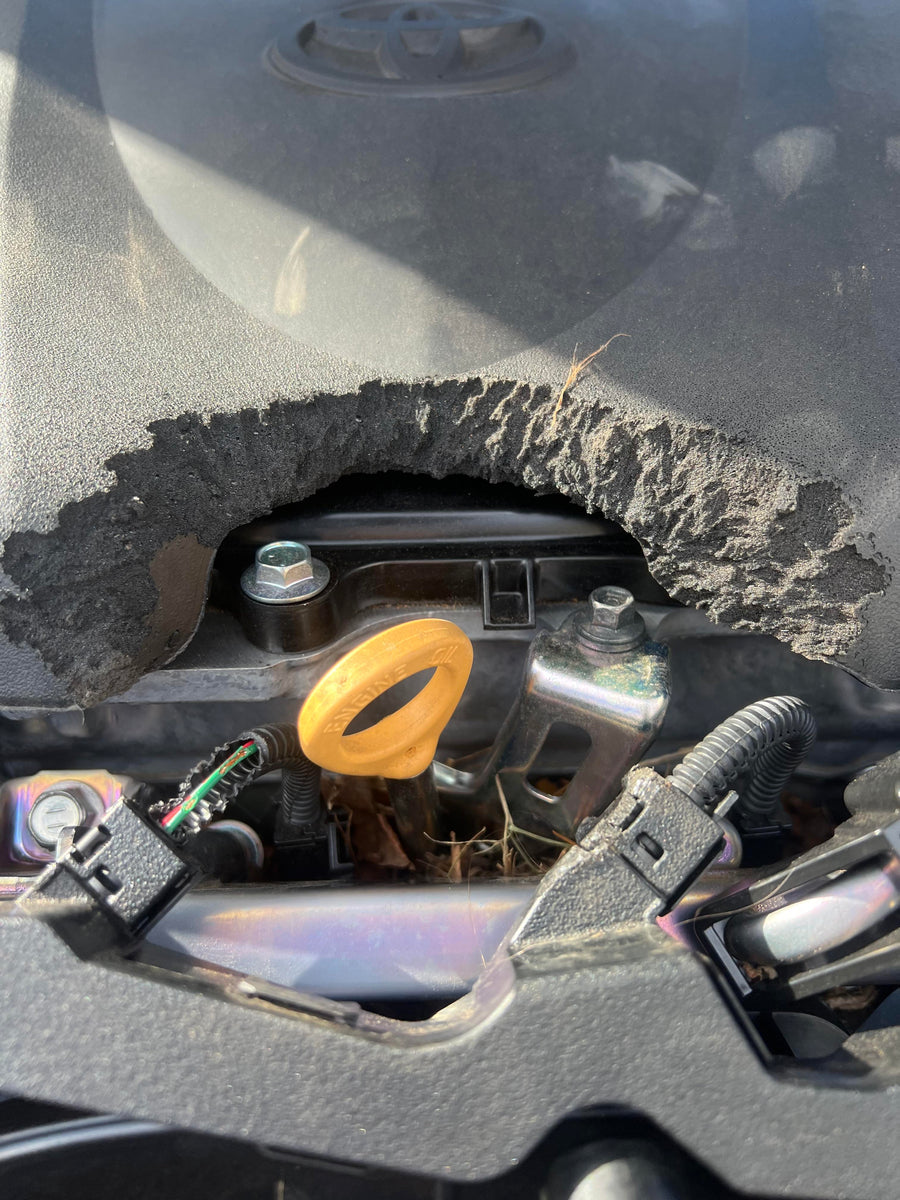
Nests under the engine cover

Insulation chewed away, with leaves and straw packed in around the engine and a chewed harness below.

Warning sign

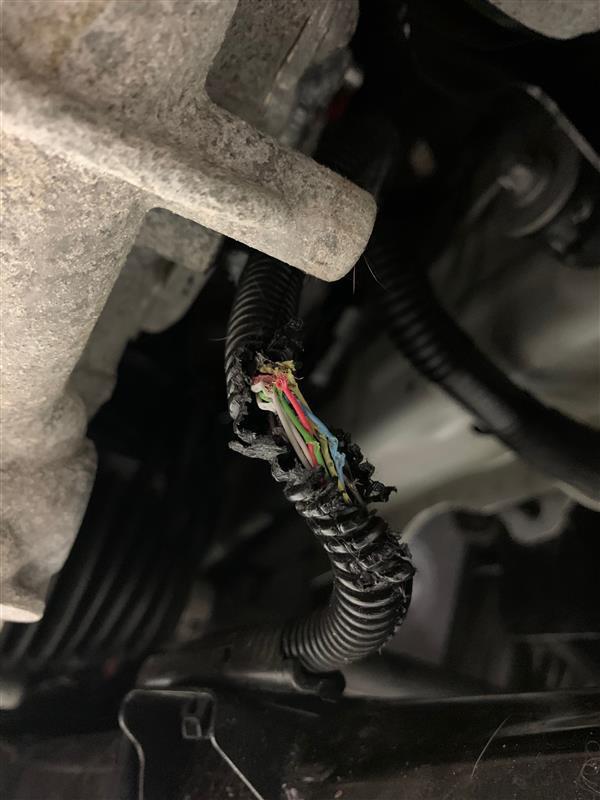
Wiring chewed to the copper

A harness chewed through its conduit. Damage like this can short and cause faults that come and go.

We fix it

Already chewed? We repair it.

We repair rodent-damaged wiring at our Markham shop, quoted once we've seen the damage. If there's a nest, the vehicle has to be cleaned by a detailer or cleanup provider first. Then, while it's apart, we wrap the repair in capsaicin tape so they don't come back for seconds.

Rodent protection questions

Why do mice chew car wiring?

A parked engine bay is warm, sheltered and full of nesting material, so mice move in when the weather turns cold. Once they're in, they chew to keep their teeth worn down, and wiring is within reach. Some newer vehicles use soy-based insulation, which many technicians believe makes it worse.

Which one should I buy?

Start with capsaicin tape on anything they've already found. If they keep coming back, add a plate unit at the way in: the M186 for a car you drive, or the battery-powered M229 for one that sits or that you'd rather not wire into. The M640 is an extra layer for storage, not a fix on its own.

How much does installation cost?

Fitting an M186 or M229 is a flat rate. Level 1 is when we can reach the entry points from above, about an hour. Level 2 is when the splash shield or fender liners have to come off, about two hours, and is done at our Markham shop. Tape wrapping is sold by time, so you choose how far it goes. Text us your year, make and model and we'll tell you which level your vehicle needs before you book.

Why would my vehicle need Level 2?

Because of where the mice get in, not because of the deterrent. On many newer vehicles the engine bay is closed in underneath, and the openings rodents use are behind the fender liners or above the splash shield. Those panels have to come off to put plates where they'll actually be touched, which adds about an hour. We tell you which level applies before we start, never after. Level 2 is done at our Markham shop, not on-site.

How much wrapping time do I need?

Thirty minutes covers the highest-risk runs, because we wrap those first: anything already chewed, then the harnesses on top of the engine and around the battery. Harnesses behind the liners or underneath take longer to reach. Booked with a Level 2 install, the panels are already off, so the wrapping time goes into wrapping. Tell us your vehicle and we'll suggest how much time it needs.

Will a plate unit drain my battery?

The wired M186 draws under 5 mA and shuts itself off if your battery drops below about 11.5 V. The M229 and the M640 run on their own batteries and never touch your vehicle's. If you also have a remote starter or a dash cam in parking mode, tell us and we'll account for the combined draw.

Do ultrasonic repellers work?

On their own, not for long. Rodents get used to a sound when nothing bad follows it. That's why we put shock plates first: touching a plate has a real consequence. A sound unit like the M640 is worth adding as an extra layer, not relying on.

Could a plate unit hurt my cat or dog?

Plate units are built to startle, not injure. The current is very low and sized for a small animal. Separately, cats sometimes shelter in warm engine bays in winter, so knock on the hood before you start the car.

What if you find a nest in my vehicle?

We stop the job. We don't remove nests: the vehicle has to be cleaned by a detailer or cleanup provider first, because dried droppings can carry hantavirus. Once it's clean, book again and we'll protect it so they don't move back in. Don't sweep, vacuum or blow a nest out yourself, since that puts the dust in the air.

Does insurance cover rodent damage?

Sometimes. Some comprehensive policies cover it and some exclude it, so check yours before the repair.

Do you ship across Canada?

Yes. Shipping is free in Canada on orders over $200, and smaller orders ship for a flat $10. We also ship to the US and worldwide; US orders may be charged duties at checkout.

Not sure what you need?

Send us a photo of the damage or the engine bay with your year, make and model. We'll tell you what it needs and which install level applies.